

Filler vascular occlusion represents one of the most serious complications in aesthetic medicine. While it’s rare, every patient deserves to know the risks and how we prevent them. At Miami Lakes Med Spa, we’ve built our entire filler program around safety first.
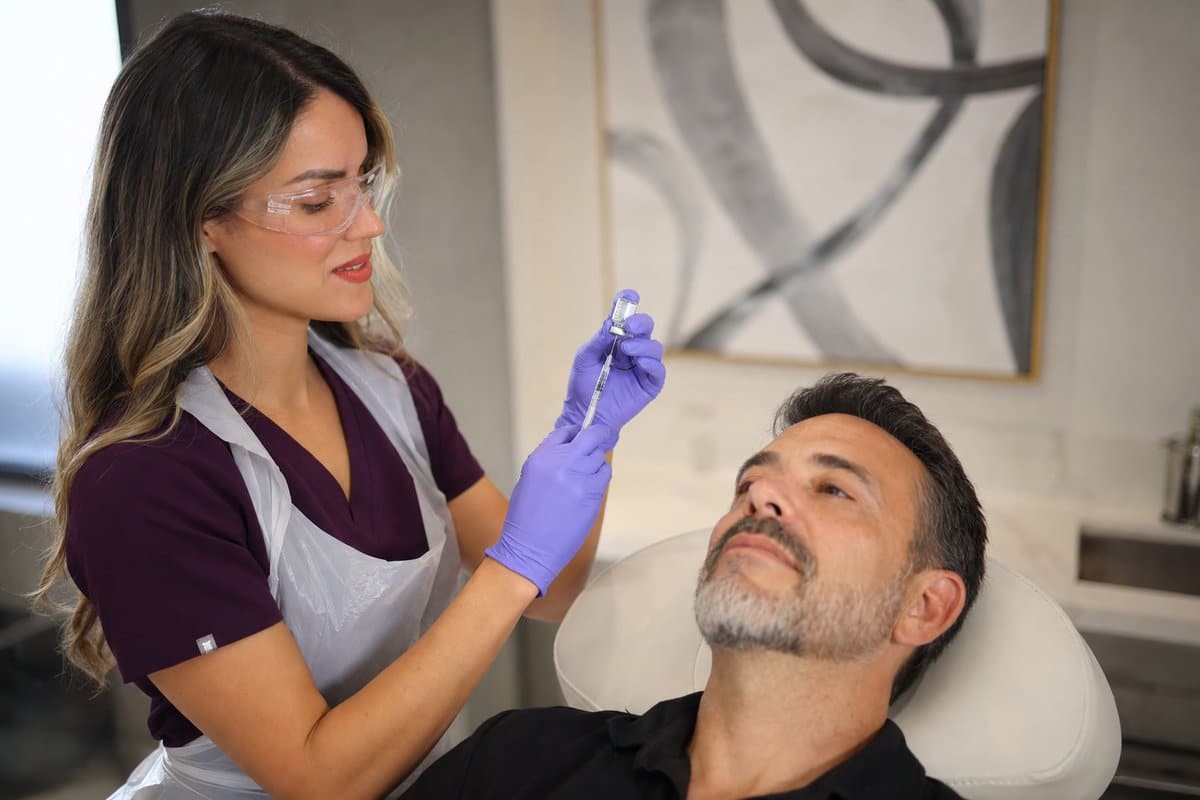
Dr. Sabrina Gonzalez, DNP, APRN, leads our injection team with over 5 years of experience and 10,000+ treatments performed. We maintain strict safety protocols that exceed industry standards. Your safety isn’t just our priority — it’s our promise.
This guide covers everything you need to know about vascular occlusion. You’ll learn the warning signs, our prevention methods, and why choosing the right provider matters more than price.
Key Takeaways
- Vascular occlusion is rare but serious – occurs in less than 0.05% of filler treatments when proper technique is used
- Key warning signs include immediate blanching, severe pain, and skin color changes that require urgent medical attention
- Prevention relies on proper injection technique, anatomical knowledge, and using cannulas in high-risk areas
- Miami Lakes Med Spa maintains emergency protocols and hyaluronidase on-site for immediate reversal if needed
- Choose board-certified injectors with advanced training – our providers have performed 10,000+ safe injections
Clinical Summary
- What it is: Blockage of blood vessels by filler material, preventing blood flow to tissues
- Risk areas: Nose, glabella (between eyebrows), forehead, and nasolabial folds have higher risk
- Warning signs: Immediate blanching, severe pain disproportionate to injection, dusky discoloration
- Prevention: Aspiration before injection, slow injection technique, cannula use in danger zones
- Emergency protocol: Immediate hyaluronidase injection, warm compress, aspirin, medical referral
- Recovery: With prompt treatment, most cases resolve without permanent damage within 24-48 hours
- Risk factors: Previous filler, scar tissue, smoking, certain medical conditions increase risk
- Cost of safety: Premium pricing reflects safety protocols, emergency supplies, and expert training
Understanding Filler Vascular Occlusion
Vascular occlusion happens when filler blocks a blood vessel. Think of it like a traffic jam in your body’s highway system. Blood can’t flow past the blockage, which means tissues don’t get oxygen.
This can occur two ways. Direct injection into an artery is the most serious. The filler travels through the vessel and blocks blood flow downstream. The second way involves external pressure — too much filler compresses nearby vessels.
The good news? With proper technique, this complication is extremely rare. Studies show it occurs in less than 0.05% of treatments when performed by trained providers. That’s why choosing an experienced injector matters so much.
High-Risk Anatomy Zones
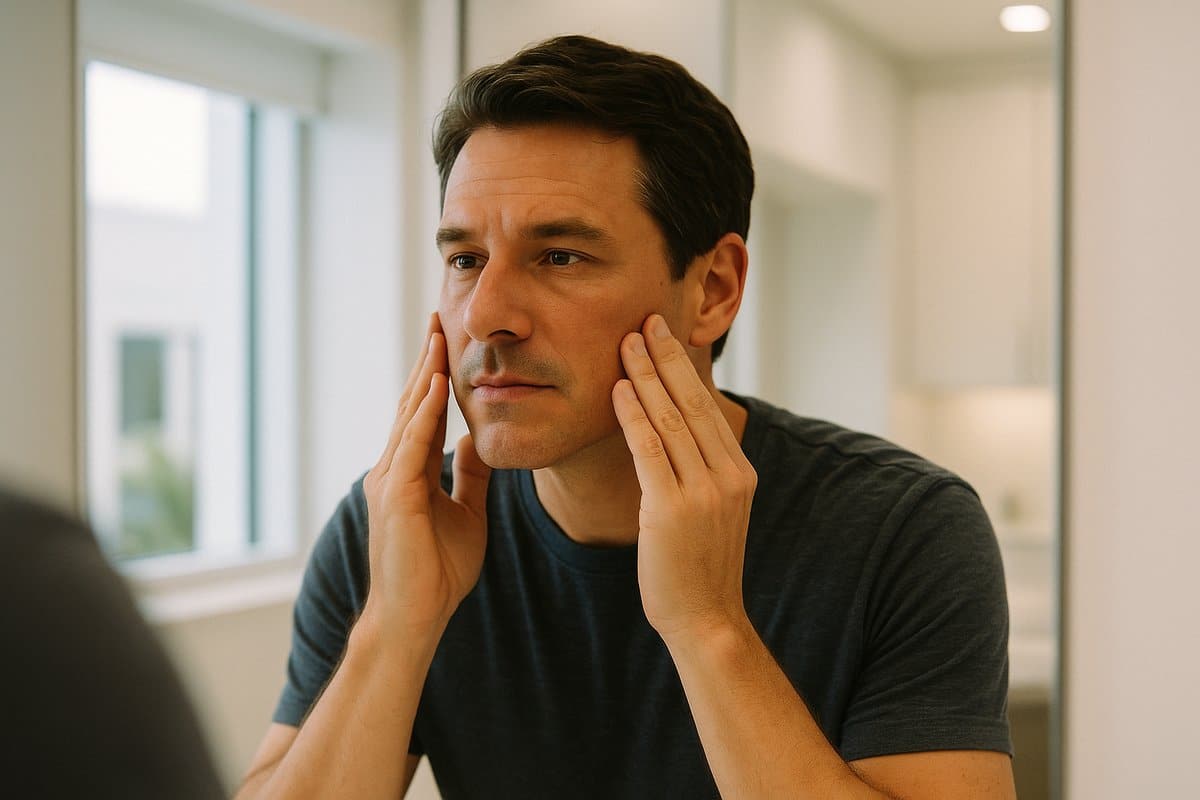
Some facial areas carry higher risk than others. The glabella (between your eyebrows) tops the danger list. Major arteries run close to the skin surface here. One wrong injection can block blood flow to the forehead or even the eye.
The nose is another high-risk zone. Its blood supply comes from multiple small arteries. Blocking even one can cause serious tissue damage. That’s why nose filler requires advanced training and extreme caution.
Other areas to watch include the temples, forehead, and nasolabial folds. At Miami Lakes Med Spa, Dr. Gonzalez uses special techniques in these zones. We often choose cannulas over needles to reduce vessel trauma.
Warning Signs You Must Know
Immediate blanching is the first red flag. Your skin turns white instantly after injection. This happens because blood flow stops. It’s different from normal needle blanching, which fades in seconds.
Severe pain comes next. We’re not talking about normal injection discomfort. This pain feels intense and out of proportion. Patients describe it as sharp, burning, or throbbing. If you feel this, speak up immediately.
Skin color changes follow within minutes to hours. The area might turn dusky, purple, or mottled. Some patients see a lacy pattern called livedo reticularis. These changes mean tissues aren’t getting enough oxygen.
Our Prevention Protocols
Prevention starts before the needle touches your skin. We map your facial anatomy during consultation. Every patient’s vessels run slightly differently. Knowing your unique anatomy helps us avoid danger zones.
We use aspiration before every injection. This means pulling back on the syringe to check for blood. If we see blood, we’re in a vessel and must relocate. It takes an extra second but could save your skin.
Slow injection is another key safety measure. Rushing increases pressure and risk. We inject small amounts gradually, watching your skin’s response. This gives us time to stop if something looks wrong.
Advanced Safety Techniques
Cannulas have revolutionized filler safety. Unlike sharp needles, these blunt-tipped tools push vessels aside rather than piercing them. We use cannulas for high-risk areas like temples and cheeks.
We also limit injection volumes per session. Too much filler increases pressure on vessels. By spreading treatments over multiple visits, we reduce risks while achieving beautiful results.
Temperature monitoring adds another safety layer. We check skin warmth before, during, and after treatment. Cold skin suggests poor blood flow. This simple test catches problems early.
Emergency Response Protocol
Speed matters if occlusion occurs. We keep hyaluronidase in every treatment room. This enzyme dissolves hyaluronic acid fillers within minutes. The faster we inject it, the better the outcome.
Our protocol includes immediate hyaluronidase flooding of the area. We don’t wait for test results. Time equals tissue when blood flow stops. We inject large doses directly into and around the affected zone.
Warm compresses and massage help restore circulation. We might also give you aspirin to thin your blood. In severe cases, we coordinate immediate transfer to the emergency department. Our location near major Miami hospitals ensures quick access to specialized care.
Choosing a Safe Provider
Your injector’s training matters more than their prices. Board certification shows advanced education. But it’s just the start. Look for providers who pursue ongoing safety training.
Ask about their complication management experience. Have they treated occlusion before? Do they stock hyaluronidase? These questions reveal their preparation level. At Miami Lakes Med Spa, Dr. Gonzalez and Dr. Serpa maintain advanced training in facial anatomy and emergency protocols.
Check their injection numbers too. Experience builds expertise. Our team has performed over 10,000 filler treatments. This volume means we’ve seen it all and know how to handle any situation.
What Makes Our Safety Approach Different
We invest heavily in safety equipment and training. Every room stocks emergency supplies including hyaluronidase, aspirin, and warm compresses. Our providers practice emergency drills monthly.
Our medical director, Dr. John Serpa, MD, reviews all protocols quarterly. We update our techniques based on the latest research. When new safety data emerges, we implement it immediately.
We also limit our daily treatment numbers. Rushing leads to mistakes. By scheduling fewer patients, we give each person the time and attention they deserve. Your safety is worth more than packed schedules.
Post-Treatment Monitoring
Safety doesn’t end when you leave our office. We provide detailed warning sign education. You’ll know exactly what to watch for and when to call us. Our providers stay available for urgent concerns.
We schedule follow-up checks for high-risk treatments. A quick photo via text often suffices. For complex cases, we’ll see you in person within 24-48 hours. This monitoring catches delayed reactions early.
Every patient gets our emergency line. If you notice concerning symptoms, don’t wait. Call us immediately at 305-418-0392. After hours, our providers check messages frequently. We’re here when you need us.
Long-Term Safety Considerations
Multiple filler sessions can increase risks over time. Scar tissue from previous injections changes anatomy. Old filler might compress vessels differently than expected. We review your entire treatment history before each session.
Smoking significantly increases occlusion risks. Nicotine constricts blood vessels, reducing flow. If you smoke, be honest with your provider. We might recommend different techniques or postponing treatment.
Certain medical conditions also raise risks. Autoimmune diseases, clotting disorders, and vascular conditions require special consideration. Our intake process screens for these issues. Full disclosure helps us keep you safe.
Filler vascular occlusion is serious but preventable with the right provider. At Miami Lakes Med Spa, we’ve built our reputation on 10,000+ safe treatments. Our team, led by Dr. Sabrina Gonzalez and medical director Dr. John Serpa, maintains the highest safety standards in Miami Lakes.
Don’t let fear keep you from looking your best. When performed correctly, fillers are remarkably safe. Schedule your free consultation today by calling 305-418-0392. We’ll discuss your goals, explain our safety protocols, and create a treatment plan that prioritizes your wellbeing.
Remember, this content is for informational purposes only. Individual results may vary based on anatomy and medical history. Always consult with a qualified provider before any aesthetic treatment.
Frequently Asked Questions
How common is filler vascular occlusion really?
Vascular occlusion occurs in less than 0.05% of filler treatments when proper technique is used. That means fewer than 1 in 2,000 treatments. The risk drops even lower with experienced, board-certified injectors who follow strict safety protocols. Most cases happen with untrained providers or when safety steps are skipped.
What should I do if I notice warning signs after leaving the office?
Call your provider immediately — don’t wait. At Miami Lakes Med Spa, call 305-418-0392 right away. Take a photo of the affected area and text it if requested. Apply a warm compress while waiting for instructions. If you can’t reach your provider and symptoms worsen, go to the emergency room. Time matters with vascular occlusion.
Can all fillers cause vascular occlusion?
Yes, any filler can potentially cause occlusion if injected into a blood vessel. However, hyaluronic acid fillers like Juvederm and Restylane are safest because they’re reversible with hyaluronidase. Permanent fillers or bio-stimulators like Sculptra can’t be dissolved, making complications harder to treat. That’s why we primarily use HA fillers at our clinic.
How can I tell if my provider is properly trained for emergencies?
Ask these key questions: Do you stock hyaluronidase on-site? Have you managed occlusion before? What’s your emergency protocol? Look for board certification and recent training certificates. At Miami Lakes Med Spa, we keep emergency supplies in every room and our providers complete quarterly safety drills. Don’t hesitate to ask — good providers welcome safety questions.